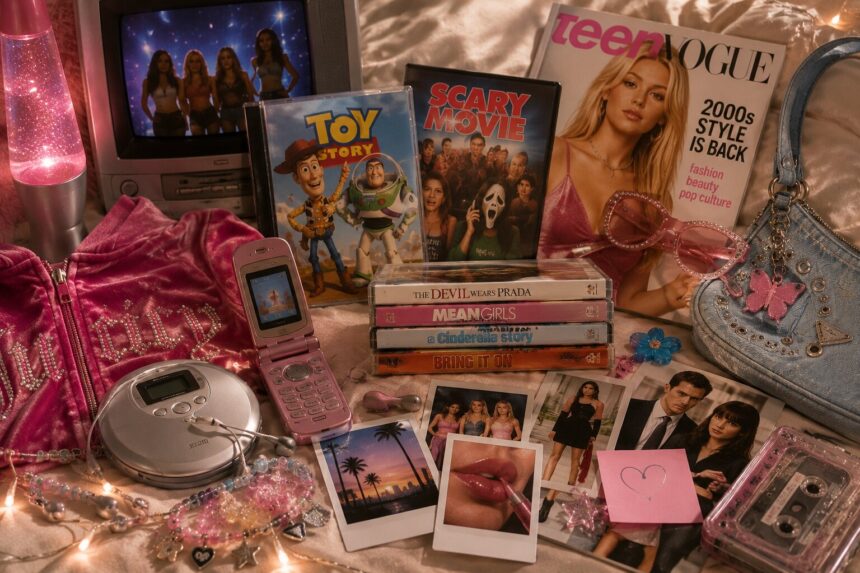
Pop culture in 2026 is looking backward in a major way. From the return of beloved movie franchises to fashion collaborations inspired by iconic films, early-2000s nostalgia is shaping entertainment, style, and marketing trends across industries.
This cultural wave is being driven by what many describe as the “Pop Archive” movement—a growing focus on revisiting, repackaging, and celebrating influential moments from the past. Studios, celebrities, and fashion brands are all tapping into emotional familiarity to reconnect with audiences who grew up during the early 2000s.
Below, we explore why this nostalgia boom is becoming one of the defining trends of 2026.
Why is 2000s nostalgia so powerful right now?
Nostalgia often becomes strongest during periods of rapid cultural and technological change. In 2026, audiences are surrounded by fast-moving digital trends, AI-generated content, and constant online stimulation. Revisiting familiar franchises and aesthetics offers comfort and emotional connection.
For many millennials and older Gen Z audiences, the early 2000s represent a formative era filled with memorable films, music, and fashion moments. Bringing those experiences back creates a sense of familiarity in an increasingly unpredictable cultural landscape.
At the same time, younger audiences who did not fully experience the era are discovering these franchises for the first time through streaming, social media clips, and fashion trends.
Why are movie studios reviving early-2000s franchises?
Major studios recognize that recognizable franchises carry built-in audiences. Familiar titles already have emotional value, making them easier to market than entirely new concepts.
The return of Scary Movie and Toy Story 5 reflects this strategy perfectly. These franchises are deeply connected to childhood memories and cultural milestones for millions of people.
Reviving legacy franchises also reduces financial risk. Established intellectual property tends to attract attention quickly, especially in a crowded entertainment market where audiences are constantly choosing between endless content options.
What is the “Pop Archive” movement?
The Pop Archive movement refers to the growing trend of revisiting and monetizing cultural history. Celebrities, brands, and entertainment companies are opening their archives to reintroduce iconic moments, styles, and stories to modern audiences.
This movement goes beyond simple nostalgia. It transforms past cultural artifacts into new commercial experiences through reboots, collaborations, limited collections, and anniversary campaigns.
In many ways, the archive itself has become part of modern branding. Consumers are no longer just buying products—they are buying emotional memories and cultural identity.
How is fashion participating in this nostalgia wave?
Fashion brands are heavily embracing cinematic nostalgia through collaborations and reinterpretations of iconic looks. One of the biggest examples is the Old Navy collaboration inspired by The Devil Wears Prada.
The collection modernizes classic corporate-fashion aesthetics from the film into wearable 2026 streetwear. Structured blazers, sleek neutrals, and polished silhouettes are being reintroduced for younger audiences who view early-2000s style as both aspirational and retro.
This strategy works because fashion nostalgia feels emotionally accessible. People can participate in the trend without fully recreating past styles, blending familiar aesthetics with modern comfort and practicality.
Why are audiences drawn to “legacy IP” content?
Legacy intellectual property, often shortened to “legacy IP,” appeals to audiences because it carries emotional familiarity. Viewers already understand the characters, themes, and cultural references, which creates instant engagement.
In a fragmented media environment, recognizable franchises feel safer and more communal. Watching a revived film or wearing a nostalgic fashion collection allows people to participate in shared cultural conversations.
This emotional attachment to legacy characters is also evident in The Story Behind Karen and Its Impact on Kelsey Grammer, which explores how iconic roles continue to shape audience perception long after their original release.
This emotional connection is particularly important in the streaming era, where audiences are overwhelmed by endless new content choices.
Is nostalgia becoming a business strategy?
Absolutely. Nostalgia is now one of the strongest tools in entertainment and marketing. Brands and studios are using familiar cultural references to create immediate emotional resonance with audiences.
This reliance on emotional storytelling is also reflected in Googoosh Shares the Stories That Helped Her Rise Again, where personal history and cultural memory play a key role in shaping renewed public relevance.
According to Variety, legacy franchises and revival projects continue to dominate studio strategies because of their strong audience recognition and cross-generational appeal.
Similarly, Business of Fashion has explored how fashion brands increasingly rely on pop-culture collaborations and archive-inspired collections to generate excitement and social media visibility.
These collaborations help brands stay culturally relevant while capitalizing on established emotional connections.
How does social media fuel nostalgia trends?
Social media accelerates nostalgia by constantly resurfacing older cultural moments. Viral clips, archived interviews, and throwback aesthetics allow younger audiences to rediscover trends from previous decades almost instantly.
Platforms built around visual storytelling are especially effective at turning old fashion, films, and celebrity moments into modern trends again.
This creates a cycle where past culture feels continuously present rather than permanently historical.
Are younger audiences interested in 2000s culture too?
Yes, many younger audiences are embracing 2000s aesthetics and entertainment despite not fully experiencing them firsthand. For younger Gen Z consumers, the early 2000s feel fresh, stylized, and visually distinct from today’s hyper-digital culture.
Low-rise fashion, cinematic styling, physical media, and dramatic celebrity culture all feel novel compared to modern minimalist trends.
This cross-generational interest is one reason nostalgia continues to grow commercially successful.
Could the nostalgia trend eventually slow down?
While specific franchises and aesthetics may change, nostalgia itself is unlikely to disappear. Cultural recycling has always been part of entertainment and fashion cycles.
However, audiences may eventually seek more balance between revival content and original storytelling. The most successful nostalgia-driven projects are often the ones that reinterpret the past creatively instead of simply repeating it.
FAQ Section
What does “legacy IP” mean?
Legacy IP refers to established franchises, characters, or brands that already have strong audience recognition and cultural history.
Why are fashion brands using movie collaborations more often?
Movie-inspired collections create emotional connections and help brands tap into existing fan communities.
Is the Pop Archive trend only about the 2000s?
No. While the 2000s are especially popular right now, the broader movement includes many different decades and cultural eras.
Why does nostalgia work so well in marketing?
Nostalgia creates emotional familiarity, which helps audiences feel connected and engaged more quickly.
Conclusion
The rise of 2000s nostalgia in 2026 reflects more than a passing trend—it reveals how deeply modern culture values emotional familiarity and shared memories. From revived movie franchises to archive-inspired fashion collections, the Pop Archive movement is reshaping entertainment and style alike.
As brands and studios continue revisiting iconic cultural moments, nostalgia is becoming both a creative direction and a powerful business strategy for the modern era.